How to Get a German Driver’s License: Complete Guide for 2025
Getting a German driver’s license (Führerschein) can seem daunting, especially if you’re new to Germany or unfamiliar with the process. This comprehensive guide walks you through every step of obtaining your German driving license, from registration to passing your final exam.
Understanding the German Driver’s License System
The German driver’s license is one of the most respected driving permits in the world, recognized throughout the European Union and many other countries. Germany follows strict standards for driver training and testing, ensuring that all licensed drivers meet high safety and competency requirements.
Types of German Driver’s Licenses
Germany offers several license classes depending on the type of vehicle you want to drive:
- Class B: Standard cars up to 3.5 tons
- Class A: Motorcycles
- Class C: Trucks over 3.5 tons
- Class D: Buses
- Class BE, CE, DE: Vehicle combinations with trailers
Most international residents apply for the Class B license for everyday driving.
Who Needs a German Driver’s License?
Whether you need a German driver’s license depends on your residency status and where your current license was issued.
EU/EEA License Holders ; How to Get a German Driver’s License
If you hold a valid driver’s license from another EU or EEA country, you can drive in Germany without obtaining a German license. Your EU license remains valid as long as it hasn’t expired.
Non-EU License Holders
For drivers with licenses from countries outside the EU, the rules vary:
- You can drive in Germany for up to six months with your foreign license and an international driving permit
- After six months of residency, you must either convert your license or obtain a new German one
- Some countries have reciprocal agreements with Germany, allowing direct license exchange without testing
Countries with License Exchange Agreements
Germany has agreements with several countries including the United States (varies by state), Canada (varies by province), Australia, Japan, South Korea, and Switzerland. Check with your local Führerscheinstelle (driver’s license office) to confirm if your country qualifies.
Step-by-Step Process to Get Your German Driver’s License
Step 1: Register with a Driving School (Fahrschule)
You cannot take the German driving test without registering at an approved driving school. Here’s what you need to do:
Find a reputable driving school: Look for schools with good reviews, experienced instructors, and potentially English-speaking staff if needed.
Required documents for registration:
- Valid passport or identity card
- Biometric passport photo
- Proof of residence (Meldebescheinigung)
- Eye test certificate (Sehtest)
- First aid course certificate (Erste-Hilfe-Kurs)
The driving school will help you apply for your learner’s permit through the local driver’s license authority.
Step 2: Complete Required Courses
Before you can take the practical exam, you must complete mandatory training:
First Aid Course: An 8-hour first aid course covering basic emergency response. These courses are offered throughout Germany and cost between €20-50.
Eye Test: A simple vision test performed by opticians or authorized testing centers, costing around €6-10.
Theory Lessons: You must attend 14 theory lessons (12 basic topics and 2 specific to Class B vehicles). Each session lasts 90 minutes. Many driving schools now offer these in English.
Step 3: Study for the Theory Test
The theoretical exam consists of 30 multiple-choice questions covering traffic rules, road signs, and safe driving practices. You need to score at least 90 out of 100 possible points to pass.
Preparation tips:
- Use the official learning apps and materials provided by your driving school
- Practice with online theory test simulators
- Study German road signs and traffic rules thoroughly
- Take advantage of English-language test options if available
The theory test is available in multiple languages including English, Turkish, Russian, and many others.
Step 4: Theory Examination ; How to Get a German Driver’s License
Once you’ve completed your theory lessons and feel prepared, your driving school will schedule your theory exam at the TÜV or DEKRA testing center.
What to expect:
- Computer-based test with touchscreen interface
- 30 questions to answer
- No time limit, but most complete it in 30-45 minutes
- Immediate results upon completion
- Costs approximately €23-50 depending on location
If you fail, you can retake the test after a two-week waiting period.
Step 5: Practical Driving Lessons
After passing your theory test, you’ll begin practical driving lessons. German law mandates a minimum number of special driving sessions:
Mandatory special drives:
- 5 hours of Autobahn (highway) driving
- 4 hours of Landstraße (country road) driving
- 3 hours of night driving
Additionally, you’ll need regular driving lessons (Übungsstunden) until your instructor determines you’re ready for the exam. The total number varies significantly based on your experience and skill level, ranging from 20 to 40 hours or more for complete beginners.
Step 6: Practical Driving Exam
When your instructor confirms you’re ready, they’ll schedule your practical exam with an examiner from TÜV or DEKRA.
Exam format:
- 45-minute driving test
- Your instructor accompanies you but doesn’t intervene
- The examiner directs you through various traffic situations
- You must demonstrate safe driving, proper vehicle control, and knowledge of traffic rules
Common exam routes include:
- City driving with parking maneuvers
- Highway driving
- Country roads
- Various traffic situations
Pass rates: Approximately 30-40% fail their first practical exam, so don’t be discouraged if you need a second attempt.
Step 7: Receive Your German Driver’s License
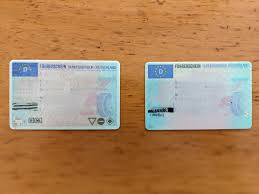
If you pass the practical exam, congratulations! Your driving school will process your license application, and you’ll receive your Führerschein within 2-4 weeks. The modern German license is a credit card-sized document valid for 15 years.
Costs of Getting a German Driver’s License
Budget is an important consideration when pursuing your German license. Here’s a breakdown of typical costs:
- First aid course: €20-50
- Eye test: €6-10
- Registration and administrative fees: €40-80
- Theory lessons: €300-500 (usually included in package)
- Theory exam fee: €23-50
- Learning materials: €50-100
- Practical driving lessons: €45-70 per hour
- Mandatory special drives: €500-900 (12 hours minimum)
- Practical exam fee: €120-200
Total estimated cost: €1,500-3,000 depending on how many lessons you need and regional pricing differences.
How to Get a German Driver’s License
Timeline: How Long Does It Take?
The process typically takes 3-6 months from registration to receiving your license, though this can vary significantly:
- Fast track: If you’re an experienced driver, have time for intensive lessons, and pass both exams on the first attempt, you might complete everything in 2-3 months
- Average timeline: 4-5 months is typical for most students
- Extended timeline: Complete beginners or those who fail exams may need 6-12 months
Tips for Success
Choose the right driving school: Look for schools with high pass rates, good reviews, and instructors who match your language needs and learning style.
Take theory seriously: Many students underestimate the theory test. Dedicate proper study time to ensure you pass on the first attempt.
Practice between lessons: If possible, practice with friends or family members who have German licenses to build confidence and skill.
Don’t rush the practical exam: Take the exam only when you and your instructor both feel confident. Failing costs time and money.
Stay calm during exams: Nerves cause many mistakes. Practice deep breathing and remember that examiners expect some minor errors.
Learn German traffic signs: Even if you take the test in English, you’ll encounter German road signs daily. Familiarize yourself thoroughly.
Special Considerations
Converting a Foreign License
If you’re eligible for license conversion, you’ll need to:
- Apply at your local Führerscheinstelle within six months of establishing residency
- Provide certified translations of your foreign license
- Complete an eye test and first aid course
- Possibly take theory and/or practical exams depending on your country of origin
Age Requirements
- Minimum age for Class B license is 18 years (17 for accompanied driving)
- You can begin training at 16.5 years
- Different age requirements apply for other license classes
License Validity and Renewal
The German license is valid for 15 years, after which you must renew it. Renewal requires only a new photo and administrative fee, not retesting.
Common Mistakes to Avoid
Starting too late: If you’re in Germany on a temporary basis, start the process immediately. The six-month grace period passes quickly.
Choosing the cheapest driving school: Price shouldn’t be your only consideration. Quality instruction saves money by requiring fewer lessons.
Neglecting theory preparation: The theory test is comprehensive. Use official study materials and practice tests extensively.
Getting discouraged by failure: Many excellent drivers need multiple attempts. Learn from mistakes and try again.
Ignoring the probationary period: New license holders face a two-year probationary period with stricter rules and potential license suspension for violations.
Driving in Germany: What to Know
Once you have your license, understand these key aspects of German driving:
Autobahn rules: While many sections have no speed limit, recommended speed is 130 km/h. Always stay right except when passing.
Strict alcohol limits: Legal limit is 0.05% BAC, but zero tolerance for probationary drivers.
Environmental zones: Many cities require an environmental badge (Umweltplakette) to enter green zones.
Winter tires: Mandatory in winter conditions (roughly October to Easter).
Right of way: Vehicles from the right have priority unless signs indicate otherwise.
Frequently Asked Questions
Can I take the test in English? Yes, theory tests are available in multiple languages including English. Some examiners also conduct practical tests in English, though this varies by location.
What if I fail an exam? You can retake failed exams after a two-week waiting period. There’s no limit to the number of attempts, though each requires paying the exam fee again.
Do I need to speak German? Not necessarily for the exams, but basic German is extremely helpful for communicating with instructors and understanding road signs and situations.
Can I practice in my own car? Only if you have someone with a German license accompanying you and you’ve registered the vehicle for training purposes. Most students only practice in the driving school vehicle.
How long is my learner’s permit valid? Typically 12-18 months from issuance. If you don’t complete your license within this time, you may need to restart the process.
Conclusion
Getting your German driver’s license is an investment in independence and integration into German life. While the process is structured and demanding, millions of people successfully obtain their Führerschein each year. By following this guide, staying committed to quality preparation, and working with a good driving school, you’ll be well on your way to driving legally on German roads.
Remember that the strict German licensing system ultimately makes you a safer, more competent driver. The skills and knowledge you gain will serve you well whether you’re driving in Germany or anywhere else in the world.
Start your journey today by researching driving schools in your area and gathering the necessary documents. The road to your German driver’s license begins with that first step.
Ready to begin your German driver’s license journey? Contact local driving schools to compare packages and start the registration process today.